Commercial Property Cleaning
Commercial cleaning and food safety professionals in Brampton support restaurants, commissaries, baking facilities, warehouses, and mobile food services staying compliant. They decontaminate regularly touched surfaces, food contact areas, equipment, floors, drains, restrooms, and prep zones with approved chemicals, maintaining proper ratios, and recording exposure duration. You require regular sanitation determined by hazard level, food throughput, food allergies, and inspections, along with verification records backing Hazard Analysis Critical Control Points, audits, and public health compliance. The following information outlines how effective cleaning systems must contain.
Essential Summary
- Sanitation professionals in Brampton work with restaurants, grocery departments, commissaries, warehouses, bakeries, schools, mobile vendors, and allergen-sensitive operations.
- Cross-contamination elimination is achieved by sanitizing high-touch surfaces, food-contact equipment, kitchens, floors, drains, restrooms, and storage areas with zone-based workflows.
- Certified vendors check proper chemical concentration, alignment, and contact time, then log completion with tests, audits, and corrective-action records.
- Risk, production rate, format changes, releases, and requirements ought to shape sanitation plans, with daily, periodic, and cyclical operations designated by area.
- Emphasize providers displaying hazard analysis knowledge, health regulatory knowledge, WHMIS preparation, liability, testimonials, color-categorized tools, and inspection-ready sanitation documentation.
What Brampton Operations Require Food Safety Cleaning?
Food safety cleaning is mandatory for any Brampton facility that processes, stores, prepares, packages, or serves food. Apply it to your facility if it falls within public health inspection, food premises regulations, or internal HACCP-based controls. This includes restaurants, cafeterias, commissaries, grocery food departments, butcher shops, seafood counters, convenience stores, and institutional kitchens.
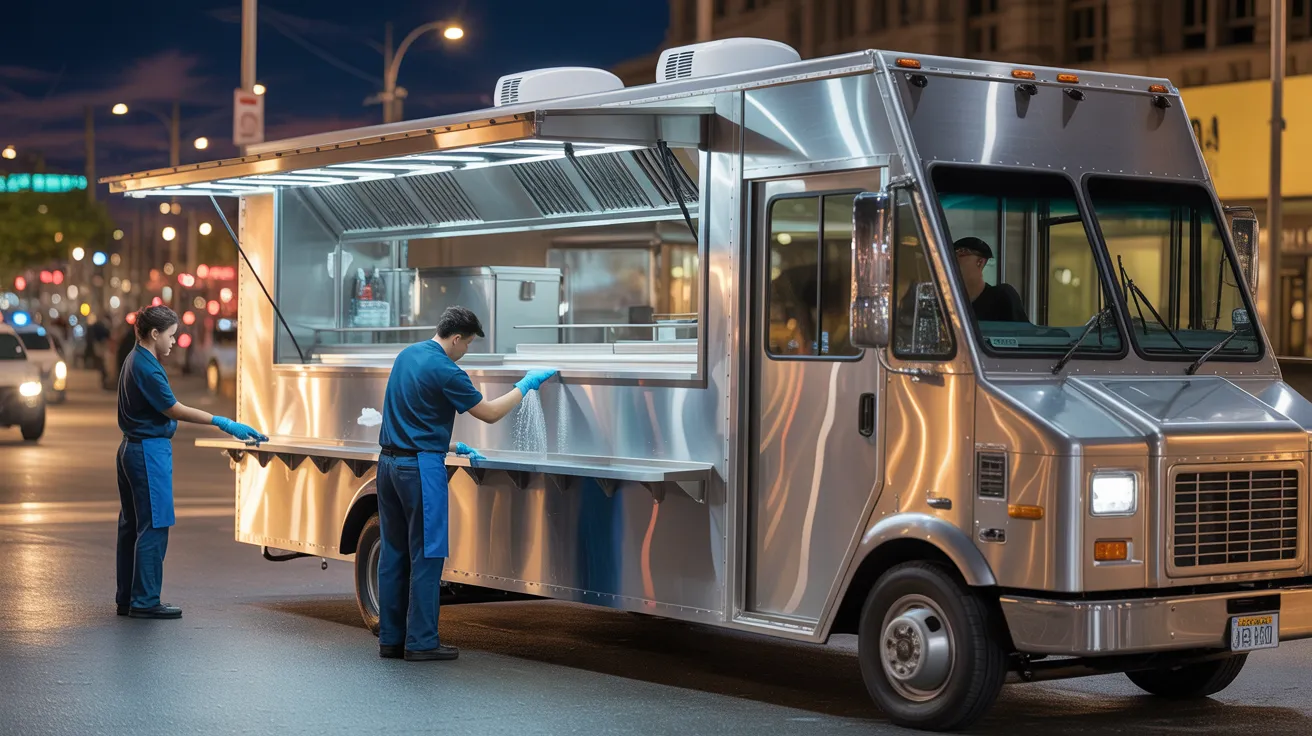
Proper hygiene protocols proves needed in warehouses, food manufacturing plants, cold storage sites, retail bakeries, school nutrition programs, banquet halls, and meal delivery hubs. Portable temporary ventures are included, including catering trucks, festival vendors, and pop-up food booths. Your establishment needs written cleaning standards should your employees process ingredients, portion ready-to-eat items, reheat products, or store allergens. In Brampton, hygiene remains not elective; it represents lawful, operational, and customer protection standards.
What Do Brampton Cleaning Professionals Handle?
You need cleaning experts who sanitize high-touch surfaces, kitchen areas, floor surfaces, and restrooms to meet food safety and public health standards. They target these areas because they present the highest risk for contamination spread, slip hazards, and hygiene violations.
By knowing exactly what gets cleaned, you can make sure your facility's cleaning procedures meet compliance standards.
Essential High-Touch Surface Sanitizing
set how regularly each area is disinfected
rotating cleaning materials regularly, maintaining directional processes, and separating cleaning supplies by zone. Doing so maintains your cleaning system verifiable, documented, and compliance-ready consistently.
Food Prep Areas, Flooring, and Sanitary Facilities
Brampton cleaning professionals will address kitchens, floors, and restrooms since each space presents different hygiene concerns, slip-and-fall, and community health challenges. In industrial kitchens, you need grease removal from cooking stations, appliance surfaces, drain systems, preparation areas, and backsplashes to minimize bacterial growth and pest activity.
Floor care that is documented should also be anticipated. Technicians scrub and extract buildup from grout, tile, and vinyl flooring, then apply appropriate drying controls so you can reduce slip incidents and maintain code-compliant conditions. They also handle entryways where moisture and debris migrate indoors.
Restroom sanitation involves disinfecting surfaces, fittings, separators, dispensers, and containers, replenishing amenities and managing odor. They also service restaurant moprooms, where chemical storage, sink hygiene, and drainage conditions can affect sanitation compliance and staff safety daily.
Food Safety Cleaning Significance for Brampton Businesses
Brampton facilities demand food-safe cleaning standards to meet health code requirements and pass inspections. You also reduce bacterial spread through proper cleaning of food-preparation surfaces, appliances, and frequently-touched items. Most importantly, you help protect community wellness by reducing the chance of food poisoning in your establishment.
Food Safety Regulations
Since Brampton food operations must follow strict public health standards, your sanitation practices directly affects your capacity to satisfy health codes, ensure the safety of diners, and sidestep regulatory penalties. You must maintain hygienic food handling zones, written maintenance records, correct sanitizer application, and documented employee protocols that correspond to municipal and provincial inspection expectations.
Thorough sanitation measures facilitates allergen control by limiting residue on common tools plus commonly contacted zones. If your cleaning standards slip, you risk infractions, compliance orders, brand harm, and service disruption risks during follow-up inspections or compliance reviews.
Cross-Contamination Management
Meeting regulatory requirements also depends on your ability to prevent cross-contamination during routine food preparation and sanitation. You must separate raw ingredients from ready-to-eat foods, clean work areas after each use, and store chemicals away from food-contact items. Established guidelines minimize contamination chances and support consistent compliance during inspections.
You might establish allergen separation to stop main allergens from reaching common areas, containers, or machinery. Apply separate boards, color-marked equipment, and rigorous tool identification so staff don't mix items throughout cooking or delivery. Mandate handwashing after handling uncooked meat, fish, egg products, or allergens. Change wiping cloths regularly, and test disinfectant concentration using strips. When employees learn these procedures every shift, you create a cleaner, safer operation that meets Brampton's food safety expectations daily.
Public Health Protection
When food safety cleaning breaks down, you don't just risk a failed inspection—you heighten the likelihood of food-related sickness affecting customers, staff, and the wider Brampton community. You also weaken your role in safeguarding community wellness, especially in busy food facilities where contamination can spread quickly through surfaces, equipment, and touchpoints.
You must establish sanitation protocols that eliminate soils, sanitize properly, and verify outcomes. This involves adhering to exposure times, utilizing approved disinfectants, logging schedules, and training employees to meet health-unit expectations. These mechanisms support pathogen reduction by limiting pathogens before contaminating food or surfaces. Across Brampton, effective sanitation safeguards vulnerable groups, reduces disease potential, and shows your diligence. When you follow standards, you go beyond requirements—you substantially lower hazards and enable safer food service throughout the area.
Why Is Cleaning Essential for Food Safety Compliance?
Comprehensive cleaning schedules strengthen food safety compliance by reducing contamination risks, preventing pathogen multiplication, and positioning your facility in accordance with sanitation requirements under HACCP-based programs and public health regulations. You ensure that contact surfaces are visibly clean and microbiologically controlled, enabling documented preventive controls and inspection readiness.
Cleaning initiatives additionally bolster allergen mitigation by extracting residues that can lead to undeclared allergen exposure.
Finding When to Schedule Commercial Cleaning
Create cleaning schedules based on risk, production volume, and regulatory requirements rather than relying solely on a predetermined calendar. You should arrange routine cleaning every day
Deep seasonal cleaning is most effective for shutdowns, weather-related soil buildup, or pest-pressure periods
Finding Quality Brampton Cleaning Experts: A Guide
Evaluate providers first by food-safe sanitation requirements rather than price alone. You report must ensure each provider understands CFIA, public health, and HACCP requirements for your business. Request proof of insurance, WHMIS compliance, staff training documentation, and supervision methods. Check technician understanding of cross-contamination risks, chemical safety, and documented sanitation practices.
You should also assess business dependability and responsibility. Request references from Brampton food businesses, then examine turnaround periods, corrective actions, and communication standards. Confirm the company supports supplier audits and can present audit-ready records when regulators or third parties request evidence. Check whether equipment maintenance is performed, color-coded implements are used appropriately, and site-specific hazards are recognized. A competent service protects compliance, product integrity, and your brand reputation.
What's covered in a Food Safety Cleaning Plan?
Document a plan that defines every sanitation activity, guideline, and role before production begins. You should record cleaning schedules, approved products, ratios, contact periods, tools, and validation approaches for each area, surface, and device. Ensure you include pre-operational inspections, corrective actions, and employee training requirements.
Your plan should also address prevention of contamination, waste management, pest-control tactics, and scheduled records for restrooms, drains, floors, and food-contact areas. Outline how you'll distinguish between uncooked and prepared items, facilitate ingredient tracking, and keep accurate allergen labeling through validated cleaning between product changes. You should assign accountability, keep signed records, and evaluate results against regulatory standards, HACCP controls, and customer requirements. When gaps appear, modify procedures immediately and retrain staff.
Popular Inquired Questions
Will sanitation providers manage nighttime hours at Brampton properties?
Yes, you can set up cleaning services to handle overnight shifts in Brampton facilities. You'll manage overnight sanitation around operational windows, access requirements, and staffing levels. Providers generally establish overnight procedures to prevent disruption, copyright compliance, and document finished tasks. You should confirm timeframes, oversight, lockout protocols, and waste management before service starts.
Are emergency spill response services available from Brampton cleaning experts?
Yes, you can find many Brampton cleaning professionals offering emergency response services. They handle contamination, evaluate risks, contain affected areas, and perform swift decontamination to reduce exposure and limit operational impact. You should confirm timeframes, training credentials, safety measures, and procedures. If your facility must meet standards, pick a provider that documents incidents, maintains standards, and ensures verification.
Are plant-based disinfectants appropriate for food preparation areas?
Absolutely, natural disinfectants remain secure for food preparation areas when you pick solutions certified for food use and regulatory compliant. You must confirm application timing, concentration levels, and rinsing needs ahead of deployment. Plant-derived products minimize chemical burden, though you require evidence of effectiveness against target microorganisms. For preserving residue-free areas, adhere to manufacturer instructions exactly and confirm the sanitizer adheres to food industry regulations.
Can sanitation programs change with seasonal variations?
Certainly, cleaning schedules adjust to seasonal variations effectively. Revise frequencies, staffing, disinfectants, and validation steps to match with operational cycles while upholding compliance standards. Reduce production interruptions via planning cleaning around changeovers, high demand periods, and usage patterns. Further update procedural documents, staff education, and environmental testing to address periodic risks, new allergens, or elevated soil levels. Ongoing evaluations keep the schedule effective.
Are commercial cleaners offering staff training on sanitation best practices?
Certainly, commercial cleaners coach your staff on hygiene protocols. You secure staff training on proper chemical use, contact times, contamination control, equipment disassembly, and documentation procedures. They generally coordinate coaching with HACCP, GMP, and CFIA or regional health bodies requirements. Many execute sanitation audits to check standards, identify gaps, and reinforce corrective actions. This helps you maintain consistent procedures, pass inspections, and minimize foodborne pathogen risks every day.
Summary
When you work with Brampton food safety and commercial cleaning specialists, you aren't merely cleaning—you maintain your facility inspection-ready and your standards compliant. From processing areas to kitchen spaces, every clean surface and well-kept corner minimizes unwelcome guests and prevent costly setbacks. By scheduling service at the proper frequency and following a clear cleaning plan, you safeguard staff, patrons, and your brand image. In a strict regulatory setting, clean spaces aren't optional—they're part of doing business right.